

Typography and Layout: The brand name and key selling points (e.g., "high protein," "grain-free") dominate the primary visual area using extra-bold weights, custom artistic lettering, or metallic-textured fonts; nutritional information and feeding guidelines utilize iconography and data visualization (such as progress bars and percentages) to avoid wordy text.
Material and Finish Visuals: Surfaces often feature a matte, frosted finish (conveying premium quality), spot UV embossing (to highlight the logo), or thermo-chromic/interactive ink effects; premium product lines frequently employ a metallic-sheen aluminum foil texture to signal freshness and high quality.
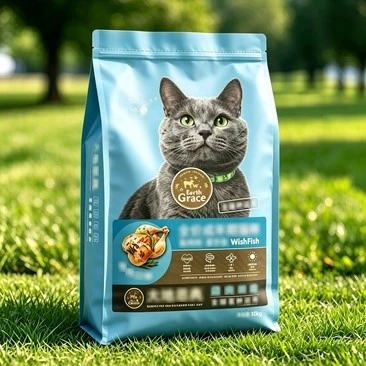
Color Scheme: Select colors appropriate for the product's characteristics and target audience. For instance, bright, lively colors suit food for puppies and kittens, whereas sophisticated, understated tones are better suited for adult pet food.
Graphic Design: Graphics should intuitively convey product information-such as images of cute pets or the food's ingredients-while aligning with the product's overall positioning.
Textual Information: Text on the packaging must be clear and accurate, covering essential details like the product name, ingredients, suitable pet types, and feeding guidelines. Font styles and sizes should be chosen for optimal readability.