
Design and Material Preparation: Confirm the bag type (e.g., stand-up pouch, box-pouch/flat-bottom bag), dimensions, and functional requirements.
Select multi-layer substrates (common structure: outer PET/PA for abrasion-resistant printing + middle AL/metallized layer for barrier properties + inner PE/RCPP for heat sealing); some processes require in-house film blowing or the procurement of finished roll stock.
Printing Process: Gravure reverse printing is commonly used, where the design is printed on the inner side of the film-applying white ink as a base coat followed by colored inks-to ensure vibrant colors that remain unaffected by friction from the contents.
Lamination and Curing: Bond the printed film to aluminum foil or functional films using adhesives via dry lamination or solvent-free lamination processes. Subsequently, place the material in a curing chamber (45–50°C) for 24–48 hours to allow the adhesive to fully react and ensure adequate inter-layer bond strength.
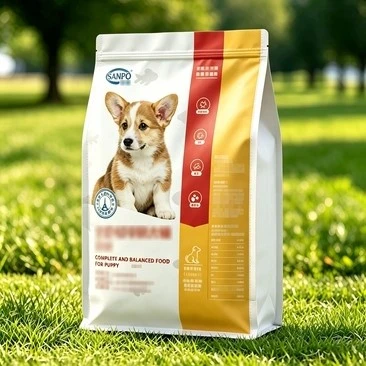
Slitting and Bag Making: Slit the large rolls of laminated film to the required width. Feed the film into a bag-making machine for heat-sealing (side and bottom seals) while simultaneously incorporating features such as tear notches, hang holes, zippers, or degassing valves. Stand-up pouches require specialized tooling to form the bottom gusset, enabling the bag to stand upright.
Quality Inspection: Conduct seal integrity tests (dye penetration or bubble tests), heat-seal strength tests (typically ≥12N/15mm), solvent residue analysis, and drop tests; only products meeting all specifications are released for shipment.