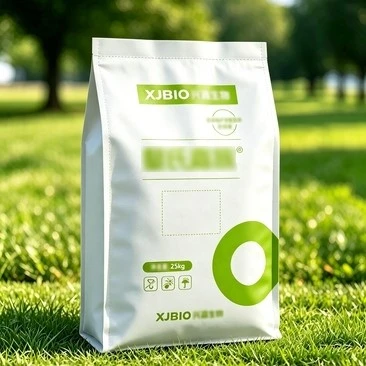
Material and Structural Suitability: For powdered or highly sensitive feeds (e.g., premixes, aquaculture feed), paper-plastic composite bags (3-in-1 or 4-in-1) or laminated woven bags are preferred to block moisture; standard pellet feeds can use PP woven bags to control costs; additives require aluminum foil composite bags to protect against light and moisture.
Physical and Mechanical Properties: Key parameters to verify include tensile load (National Standard GB/T 8946 requires ≥550N/50mm in the warp direction for 25kg bags), peel strength (ensuring composite layers do not delaminate), and drop resistance to prevent bag breakage during transport; UV aging resistance is critical for bags used in humid environments.
Moisture Resistance and Sealing: Ensure the inner liner is made of virgin PE film with secure heat sealing or stitching; powdered feeds require leak-proof designs (e.g., tight valve seals); outdoor storage necessitates the addition of UV stabilizers to prevent embrittlement and cracking.
Specifications and Production Line Compatibility: Dimensions (e.g., 55×95cm) must match the precision requirements of automated filling lines; distinguish between sewn-bottom open-mouth bags (for manual/semi-automatic operations) and valve bags (for fully automatic high-speed filling) to avoid bag jams or reduced efficiency.