

As a supplier of Moisture Proof Aquatic Feed Woven Bag, I understand the significance of proper storage for these bags. Aquatic feed is a crucial commodity for fish farmers, and the quality of the feed is closely related to the storage condition of the bags that hold it. Moisture can be a major enemy, leading to mold growth, nutrient loss, and a reduction in the overall quality of the feed. In this blog post, I will share some scientific and reasonable methods for storing moisture-proof aquatic feed woven bags.
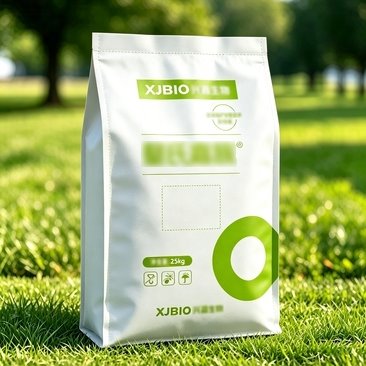
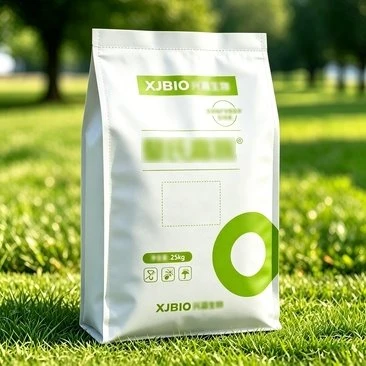
Understanding the Characteristics of Moisture-Proof Aquatic Feed Woven Bags
Before delving into the storage methods, it's essential to understand the features of these bags. Moisture-proof aquatic feed woven bags are designed to prevent water and moisture from penetrating the bag and reaching the feed inside. They are typically made from high - density polyethylene (HDPE) or polypropylene (PP) materials, which have inherent moisture - resistant properties. These bags may also have additional coatings or laminations to enhance their moisture - proof capabilities.
However, it's important to note that no bag is completely impervious to moisture. Over time, if exposed to harsh environmental conditions, the bag's moisture - proof barrier can be compromised. Therefore, proper storage is vital to ensure the longevity and effectiveness of the bags.
Choosing the Right Storage Location
Dry and Well - Ventilated Areas
The first step in proper storage is to select a dry and well - ventilated location. Damp areas can cause condensation to form on the bags, which may lead to moisture seeping into the feed. A warehouse or storage shed with good air circulation is ideal. You can install fans to promote air movement and prevent the buildup of stagnant, humid air.
For example, if the storage area is in a coastal region where the air is inherently more humid, an exhaust fan can be installed near the ceiling to remove the moist air. Additionally, keeping the storage area elevated off the ground can also help prevent moisture from seeping up through the floor.
Avoiding Direct Sunlight and Extreme Temperatures
Direct sunlight can have a negative impact on the structure of the woven bags. The UV rays can cause the plastic material to degrade over time, reducing its moisture - proof and strength properties. Similarly, extreme temperatures, both hot and cold, can affect the bag's integrity.
In hot weather, the plastic may become more flexible and prone to tearing, while in cold weather, it can become brittle. Therefore, the storage location should be shaded from the sun and maintained at a relatively stable temperature. For instance, you can use insulation materials on the walls and roof of the storage area to regulate the temperature.
Protection from Water Sources
It's crucial to keep the bags away from any potential water sources. This includes avoiding areas near leaky roofs, pipes, or drains. Even a small amount of water leakage can quickly damage the bags and the feed inside. If there are any signs of water damage in the storage area, such as water stains on the walls or floor, it should be repaired immediately.
Stacking and Arrangement
Proper Stacking Techniques
When stacking the moisture - proof aquatic feed woven bags, it's important to use proper techniques to prevent damage. The bags should be stacked in a stable and orderly manner. Avoid stacking them too high, as this can put excessive pressure on the bottom bags, causing them to deform or tear.
A good rule of thumb is to stack the bags in a pyramid - like shape, with each layer slightly offset from the one below it. This distributes the weight evenly and reduces the risk of collapse. Additionally, make sure that the bags are not over - compressed, as this can also affect the bag's moisture - proof properties.
Creating Aisles and Space
Leaving aisles and space between stacks of bags is essential for proper ventilation and easy access. Aisles allow for air to circulate freely around the bags, reducing the risk of moisture buildup. They also make it easier to inspect the bags regularly and move them around when needed.
You should aim to have at least one aisle for every few rows of stacked bags. The width of the aisle should be sufficient to accommodate a forklift or other handling equipment.
Regular Inspection and Maintenance
Visual Inspections
Regular visual inspections of the stored bags are necessary to detect any signs of damage or moisture intrusion. Look for any tears, holes, or discoloration on the bags. If you notice any signs of mold growth, it's important to remove the affected bags immediately to prevent the spread of mold to other bags.
Inspections should be carried out at least once a week, especially during the rainy season or in areas with high humidity. During the inspection, check the seals of the bags to ensure they are intact. If a seal is broken, the bag may be more vulnerable to moisture.
Monitoring Environmental Conditions
In addition to visual inspections, it's also important to monitor the environmental conditions in the storage area. Use a hygrometer to measure the humidity level and a thermometer to measure the temperature. If the humidity level exceeds 60%, you may need to take additional measures such as using dehumidifiers or increasing ventilation.
Similarly, if the temperature is too high or too low, you may need to adjust the insulation or climate control systems in the storage area.
Other Types of Aquatic Feed Woven Bags and Their Storage Considerations
Anti - aging Aquatic Feed Woven Bag
Anti - aging aquatic feed woven bags are designed to resist the effects of aging, such as UV radiation and oxidation. However, they still require proper storage to maintain their performance. Similar to moisture - proof bags, they should be stored in a shaded, dry, and well - ventilated area. Avoid exposing them to harsh chemicals or abrasive materials, as this can damage the anti - aging coating.
UV Resistant Aquatic Feed Woven Bag
UV resistant bags are specifically designed to withstand the damaging effects of UV rays. But they are not immune to other factors such as moisture and physical damage. Store them in a location where they are protected from direct sunlight and moisture. Regular inspection for signs of wear and tear is also important, as the UV - resistant properties may degrade over time.
Heavy Duty Aquatic Feed Woven Bag
Heavy - duty bags are stronger and more durable than standard bags. However, they still need to be stored properly to prevent damage. Stack them carefully to avoid overloading the bottom bags. Since they are often used for bulk storage, make sure the storage area can accommodate the large volume and weight of the stacked bags.
Standard Aquatic Feed Woven Bag
Standard bags are more basic in terms of their features. They are still susceptible to moisture and physical damage. Store them in a similar way to moisture - proof bags, paying close attention to the storage environment and stacking techniques.
Conclusion
Proper storage of moisture - proof aquatic feed woven bags is essential to maintain the quality of the feed and the integrity of the bags. By choosing the right storage location, using proper stacking techniques, conducting regular inspections, and considering the specific requirements of different types of bags, you can ensure that the bags and the feed inside remain in good condition.
If you are in the market for high - quality moisture - proof aquatic feed woven bags or any of our other products, we invite you to contact us for a procurement discussion. We are committed to providing you with the best solutions for your aquatic feed storage needs.
References
- Smith, J. (2020). Best Practices for Storing Food Packaging Materials. Journal of Food Packaging Science, 15(2), 45 - 52.
- Johnson, A. (2019). The Impact of Environmental Conditions on Plastic Woven Bags. Plastic Packaging Research, 22(3), 78 - 85.
- Brown, C. (2021). Aquatic Feed Storage and Quality Management. Aquaculture Today, 30(4), 67 - 73.