

Hey there! As a supplier of Standard Aquatic Feed Composite Bags, I often get asked about the special requirements for printing on these bags. So, I thought I'd share some insights on this topic.
First off, let's talk about why printing on aquatic feed composite bags is so important. These bags are not just containers; they're a marketing tool. The right printing can attract customers, provide essential information about the feed, and even build brand recognition. Whether it's a small local fish farm or a large commercial aquaculture operation, the appearance of the bag matters.
Ink and Material Compatibility
One of the most crucial requirements for printing on Standard Aquatic Feed Composite Bags is the compatibility of the ink with the bag material. These bags are typically made from a combination of materials like plastic, paper, and sometimes aluminum foil to provide the necessary protection for the feed. The ink used must adhere well to the surface of the bag without smudging or peeling off over time.
For instance, if the bag has a plastic outer layer, solvent-based inks might work well as they can bond effectively with the plastic. However, for bags with a paper component, water-based inks could be a better choice as they are more environmentally friendly and can be absorbed by the paper without causing damage.
Durability and Resistance
Aquatic feed bags are exposed to various environmental conditions. They might be stored in damp warehouses, exposed to sunlight during transportation, or even come into contact with water. So, the printed information on the bags needs to be durable and resistant to these factors.
UV resistance is a big deal. If the bags are going to be stored outside or transported in open trucks, the ink should be able to withstand the sun's rays without fading. That's where UV Resistant Aquatic Feed Composite Bag comes in. These bags are designed to protect both the feed inside and the printed information on the outside from the harmful effects of UV radiation.
Moisture is another enemy of printed bags. Feed can attract moisture, and if the ink isn't waterproof, it can smear or run, making the information on the bag unreadable. That's why Moisture Proof Aquatic Feed Composite Bag is a great option. The moisture - proof layer not only protects the feed but also helps keep the print intact.
Regulatory Requirements
There are also regulatory requirements for printing on aquatic feed bags. These requirements can vary from country to country, but they generally include providing accurate information about the feed. This might include the ingredients, nutritional value, feeding instructions, and any warnings or precautions.
For example, in some regions, it's mandatory to list the percentage of each major ingredient in the feed. The print should be clear and legible so that farmers can make informed decisions about the feed they're purchasing. As a supplier, we need to ensure that the printing process can meet these regulatory standards.
Design and Readability
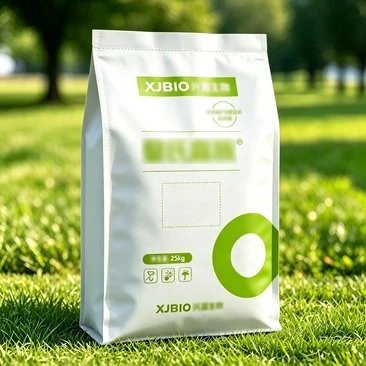
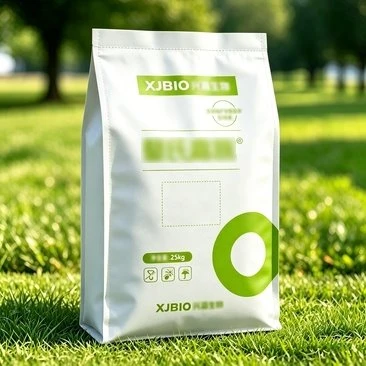
The design of the print is also important. It should be eye - catching but still easy to read. Using high - contrast colors can make the text stand out, especially on bags with a busy background. For example, black text on a white background is a classic and easy - to - read combination.
We also need to consider the placement of the information. The most important details, like the brand name and the type of feed, should be prominently displayed on the front of the bag. Other information, such as feeding instructions, can be placed on the back or the sides.
Choosing the Right Printing Method
There are several printing methods available, and choosing the right one depends on the size of the order, the complexity of the design, and the budget.
Flexographic printing is a popular choice for large - scale orders. It's relatively inexpensive and can produce high - quality prints on a variety of bag materials. Gravure printing, on the other hand, is known for its excellent image quality and is suitable for more complex designs. However, it can be more expensive, especially for small orders.
Screen printing is a great option for small - scale production or for adding a single color to the bag. It's a versatile method that can be used on different surfaces and can create a bold, eye - catching effect.
Our Product Range
We offer a wide range of aquatic feed composite bags, not just the Standard ones. We have Heavy Duty Aquatic Feed Composite Bag for those who need extra strength and durability. These bags are perfect for transporting and storing large quantities of feed.
Our Food Grade Aquatic Feed Composite Bag is designed to meet the highest safety standards. They are suitable for feed that is going to be used in delicate aquaculture systems or for high - end fish species.
Whether you're looking for a standard bag with basic printing or a specialized bag with a unique design, we can work with you to meet your requirements.
Let's Talk Business
If you're in the market for quality Standard Aquatic Feed Composite Bags or any other type of aquatic feed bags, we'd love to chat with you. We've got the experience and the expertise to ensure that your bags not only look great but also meet all the necessary requirements.
Reach out to us to start a discussion about your printing and bag needs. We're committed to providing you with the best products and services at competitive prices.
References
- Packaging Industry Handbook: Covers general printing requirements for packaging materials.
- Aquaculture Feed Regulations: Guides on regulatory requirements for printing information on feed bags.
- Printing Technology Magazines: Provide insights on the latest printing methods and inks.